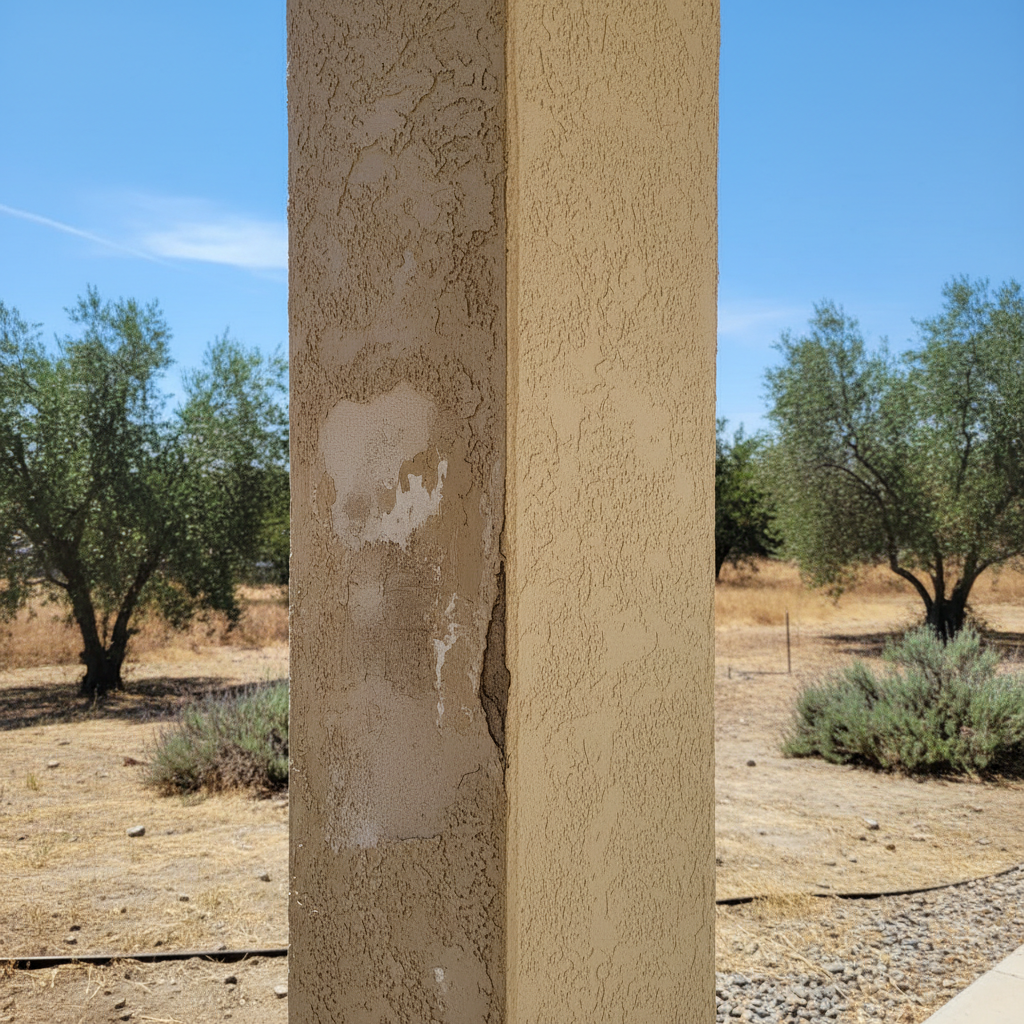
When you spot damage on your stucco, your first thought is probably, "How bad is it?" And then, almost immediately, "How much is this going to cost me?" Generally, you've got two main paths for stucco repair: doing a spot patch or going for a full resurface. Let's dig into what each one means for your Stockton home.
Spot Patching: The Quick Fix
Patching is exactly what it sounds like. We're talking about fixing specific, isolated areas of damage – a crack here, a small hole there, maybe some delamination in a particular spot. It's often the go-to for minor issues that haven't spread too far.
Cost & Time
This is usually the cheaper and quicker option, no doubt about it. We're talking about materials and labor for just a small area. If you've just got a few hairline cracks or a ding from a rogue basketball, a patch job can be done in a day or two, depending on the size and number of repairs.
Durability & Maintenance
A good patch, done right, can hold up for years. The key, though, is that the underlying issue causing the damage has been addressed. If that crack was due to a settling foundation, and you just patch it without fixing the foundation, well, that crack's coming back. You'll want to keep an eye on it, just like you would with any part of your home's exterior.
Appearance
Here's where patching can get tricky. Matching existing stucco texture and color perfectly is tough, even for experienced pros. Stucco fades over time from the sun and our dry Stockton weather. A new patch, even if it's the exact same mix, will often look brighter or slightly different. We do our best to blend it, but you might see a ghost of the repair, especially on older homes. Think of it like trying to perfectly match a faded pair of jeans with a brand new patch – it's just not quite the same.
Full Resurfacing: The Fresh Start
Full resurfacing means applying a new layer of stucco over your entire existing exterior. This isn't just for cosmetic reasons; it's often done when the existing stucco has widespread issues, or you simply want a completely new look.
Cost & Time
This is a bigger investment, both in money and time. You're covering the whole house, so materials and labor costs go up significantly. The project could take anywhere from a few days to a couple of weeks, depending on the size of your home and the complexity of the job. But you're getting a whole new skin for your house, after all.
Durability & Maintenance
When you resurface, you're essentially getting a brand new stucco finish. If the underlying structure is sound, this new layer can last for decades. It's a fresh start, so you're resetting the clock on your stucco's lifespan. Maintenance will be similar to new stucco – keeping it clean, checking for cracks periodically, and addressing any issues early.
Appearance
This is where resurfacing really shines. You get a uniform, consistent look across your entire home. You can choose a new color, a new texture, or just refresh the existing one to look brand new. There are no mismatched patches, no faded spots. It's a complete transformation, making your house look like it just got built yesterday.
Which One's Right for Your Stockton Home?
So, how do you decide? Here's my take:
Small, isolated damage on relatively new stucco (under 10-15 years old)? A spot patch is probably fine. We can usually get a decent blend, and it'll save you money.
Widespread cracking, multiple areas of delamination, or stucco that's 20+ years old and looking tired? You're probably better off with a full resurface. Trying to patch a dozen different spots will likely look like a patchwork quilt, and you'll still have an old, worn-out finish underneath.
Looking to boost curb appeal for resale, or just want a fresh look? Resurfacing is your answer. It's a significant investment, but it pays off in appearance and protection.
Dealing with stucco on an older home in, say, the Miracle Mile area, where the original stucco might be a bit more brittle? A full resurface could be a smarter long-term play, especially if you're seeing multiple issues. Patching might just be a temporary band-aid.
Ultimately, the best way to figure it out is to have someone take a look. I've seen it all, and I can tell you what makes the most sense for your specific situation. Sometimes a patch is all you need, other times it's just delaying the inevitable. Give Stockton Stucco Solutions a call, and we can come out, assess the damage, and give you an honest recommendation. We'll lay out your options so you can make an informed decision for your home and your wallet.