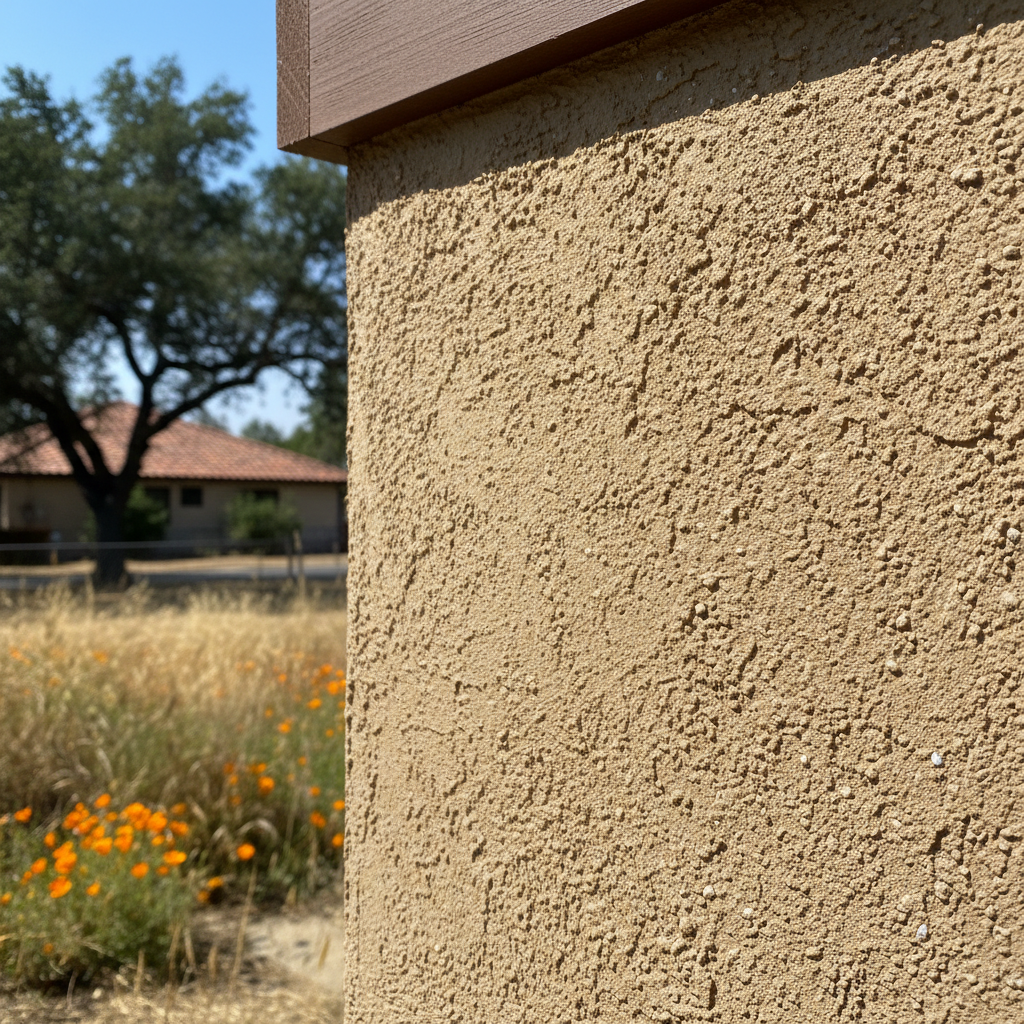
What exactly is stucco redashing, and how is it different from a full replacement or repair?
Alright, let's clear this up right away. Stucco redashing, sometimes called resurfacing, is basically giving your home a fresh new skin without tearing everything off. We're talking about putting a new, thin layer of stucco right over your existing finish. Think of it like a really good facelift for your house, you know?
Now, how's that different from a full replacement? Well, a full replacement means we're ripping off all the old stucco, right down to the sheathing. Then we inspect for underlying issues, and only after that do we build it back up with new lath, scratch coat, brown coat, and a finish coat. That's a much bigger, more invasive, and definitely more expensive job. You typically only need a full replacement if your existing stucco has major structural damage, widespread moisture intrusion, or significant delamination where it's pulling away from the wall.
Stucco repair, on the other hand, is all about fixing specific, localized problems. We're talking about patching cracks, fixing small holes, or maybe addressing a soft spot here and there. Redashing is a more comprehensive update than just a few patches, but it's way less drastic than a full tear-off and rebuild.
How do I know if my stucco needs redashing or something more serious?
This is where my experience really comes in handy. You'll often see signs that tell you it's time for a redash. If your stucco looks faded, stained, or just plain tired, a redash can absolutely bring it back to life. It's also great for covering up a lot of those small, hairline cracks and minor imperfections that have accumulated over the years.
But here's the kicker: if you've got bigger issues, a redash might not be enough. We're talking about large, recurring cracks (especially if they keep coming back after patching), stucco that sounds hollow when you tap it – that's called delamination, by the way – or significant water stains and bubbling that suggest moisture is getting behind the stucco. If I see signs of serious moisture intrusion or structural problems, I'm going to tell you straight up that we need to investigate further. A redash won't fix those deep-seated issues, and trying to cover them up will only lead to bigger, more expensive problems down the road. Nobody wants that.
What's the process for stucco redashing, start to finish?
We've got a pretty clear process we follow to make sure the job's done right. First, we start with a thorough inspection of your existing stucco. We're looking for any major damage or loose spots that need more than just a patch.
If the base is sound, we get to work prepping the surface. This means cleaning the old stucco thoroughly and fixing any small cracks or loose areas. This step is crucial for making sure the new coat has a solid base to stick to. Then, we apply a specialized bonding agent. This stuff is like super glue for stucco and makes sure the new layer sticks perfectly to the old surface.
Next comes the new finish coat. We mix and apply the fresh stucco, making sure it matches the texture and color you picked out. We work carefully to get an even, professional look. Finally, after the stucco cures, we clean up the work area completely and do a final walkthrough with you to make sure you're happy with everything.
How long does stucco redashing usually take?
This isn't a one-size-fits-all answer, but I can give you a good idea. For a typical average-sized home, a redashing project might take anywhere from three to five days. That includes the time needed for the stucco to dry before any painting can begin, if you're going that route.
The biggest factor here is curing time. Stucco needs to dry and cure properly between coats, and you can't rush that. While it might feel dry to the touch in a day or two, the Portland cement in the mix is still hardening for weeks. A full structural cure can actually take up to 90 days. Weather plays a big role too. Hot, dry conditions can make the stucco cure too fast and become brittle, while cold or rainy weather can slow things down. We always keep an eye on the forecast here in Stockton, especially during those hot summer months, to make sure we're working in ideal conditions.
Do I need a permit for stucco redashing in Stockton?
Yes, you do. Any work that involves adding stucco, repairing existing siding, or replacing siding generally requires a permit from the San Joaquin County Permit Center or the City of Stockton Permit Center.
It's not just a formality; it's about making sure the work meets local building codes and standards. You can usually apply online through their permitting system. Don't worry, we're familiar with the process and can guide you through what's needed. It's an important step to protect your investment and ensure everything is done legally and safely.
What are the benefits of redashing my stucco, beyond just looks?
A fresh look is definitely a big one, and it can really boost your home's curb appeal and value. Just drive through areas like the Collegeville or Spanos Park neighborhoods, and you'll see how much a clean exterior stands out.
But it's more than just pretty. Redashing adds a fresh protective barrier against the elements. It fills in those small cracks and imperfections, which prevents moisture from getting in and causing bigger problems down the line. This can save you a lot of money on future repairs. Plus, if your stucco is old, a redash can improve your home's insulation and energy efficiency, potentially lowering those energy bills.
How much does stucco redashing cost in Stockton?
Alright, let's talk numbers. The cost of stucco redashing can vary quite a bit depending on a few factors. Generally, a redash or resurface is the cheapest path if your existing stucco is structurally sound. You're typically looking at a cost range for resurfacing somewhere around $3.00 to $9.00 per square foot. For a whole house, a small resurface job might start near $3,500, but it can go up from there depending on the size of your home and the complexity of the job.
Factors that influence the price include the total square footage, the condition of the existing stucco, the type of finish and texture you choose (a smooth finish, for example, can cost more in labor than a dash or lace texture), and any underlying repairs that might be needed before we can redash. Accessibility, like needing scaffolding for a two-story home, can also add to the labor costs. Stockton's labor costs are generally a bit lower than the Bay Area, which is good news for your wallet. We always provide a detailed, transparent quote so you know exactly what you're paying for with Stockton Stucco Solutions.