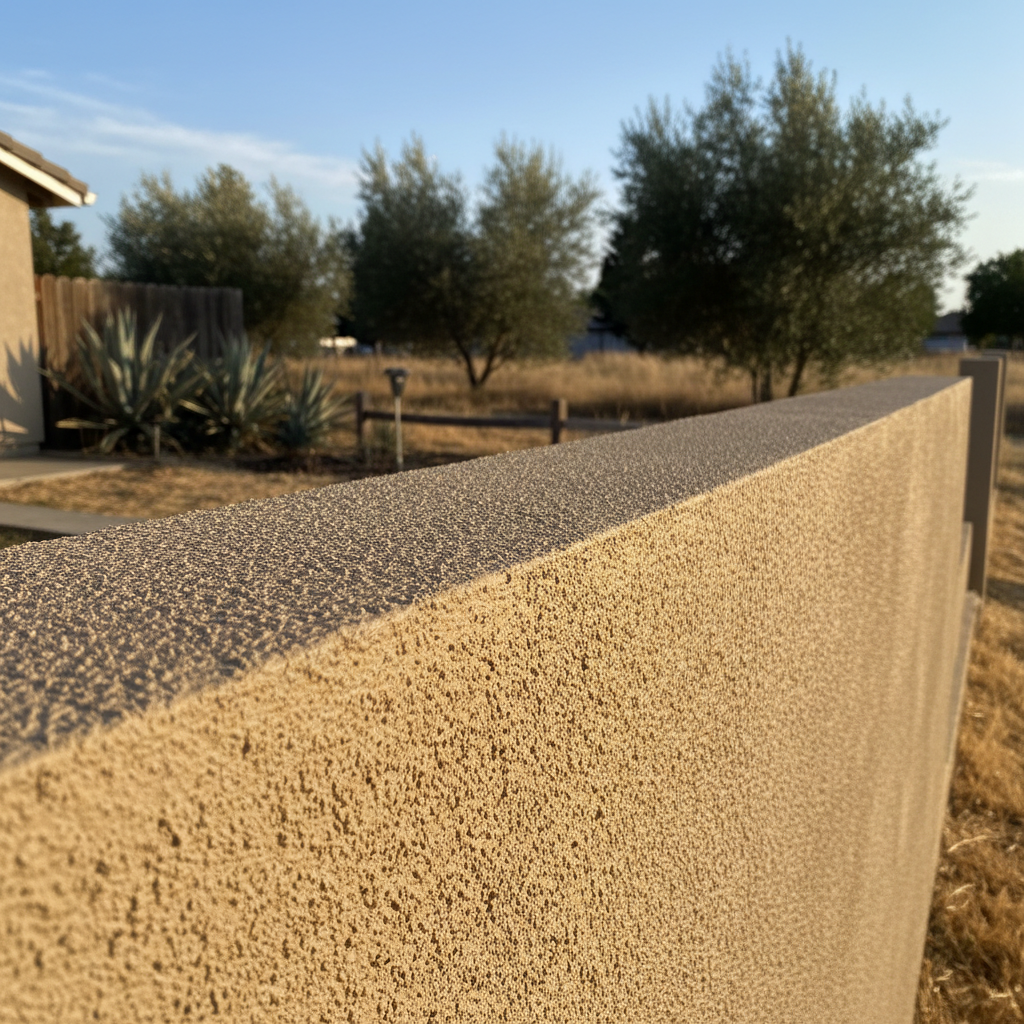
Can I just paint over my old stucco?
Look, you can, but you probably shouldn't, at least not without checking a few things first. Painting over stucco that's got cracks, efflorescence (that white powdery stuff), or is just plain dirty is like putting a fresh coat of paint on a rusty car. It might look okay for a minute, but the problems underneath are still there, and they'll come back to bite you. You'll end up with peeling paint, new cracks showing through, or just a generally uneven finish that doesn't last. Before any paint touches your walls, we've got to make sure the stucco itself is in good shape. That means cleaning it thoroughly, repairing any cracks or damage, and letting those repairs cure properly. Skipping these steps is a waste of your money and time, plain and simple.
What kind of paint should I use for stucco?
This isn't like painting an interior wall, so don't just grab any old latex paint. Stucco needs something that can breathe. It's a porous material, and if you seal it up too tight with the wrong paint, you're asking for moisture problems. We're talking about high-quality acrylic latex paints, specifically formulated for masonry or stucco. These paints are flexible, which is super important here in Stockton with our temperature swings – they can expand and contract with the stucco without cracking. They're also breathable, allowing any trapped moisture to escape, which prevents bubbling and peeling. Some folks even go for elastomeric paints, which are even more flexible and can bridge hairline cracks. They're thicker and usually cost a bit more, but they offer excellent protection and durability. Don't skimp on the paint; it's your home's first line of defense against the elements.
How long does stucco paint usually last in our climate?
That's a good question, and the answer isn't a simple number. It depends on a few things: the quality of the paint we talked about, how well the surface was prepped, and honestly, how much sun and weather your house gets. Here in Stockton, we get some serious summer heat, and that UV exposure can be brutal on paint. If you've got a south-facing wall that bakes all day, it's going to show wear faster than a shaded side. Generally, a good quality acrylic paint, properly applied, should give you 7 to 10 years, maybe even 15 if you're lucky and you keep up with maintenance. Elastomeric paints can push that even further. But remember, the better the prep work, the longer that paint job will hold up. It's all connected.
Do I need to prime stucco before painting?
Most of the time, yeah, you do. Especially if it's new stucco, unpainted stucco, or if you've done a lot of patching. Primer does a few critical jobs: it seals the surface, which helps the topcoat adhere better and more uniformly. It also helps block any alkali from the stucco from bleeding through and discoloring your new paint, which is a real problem with fresh masonry. If you're painting over previously painted stucco that's in good shape and you're just changing colors, you might be able to get away without it, but it's still a good idea for better adhesion and a more vibrant, consistent color. Think of primer as the foundation for your paint job – you wouldn't build a house without a strong foundation, right?
What about power washing? Is that safe for stucco?
Power washing can be a great way to clean stucco, but you've got to be careful. Too much pressure, or holding the nozzle too close, and you can damage the stucco itself, blowing off chunks or eroding the finish. You definitely don't want to do that. If your stucco is older or has any existing damage, I'd recommend a soft wash – lower pressure combined with a good cleaning solution. This gets rid of the dirt, grime, and mildew without risking damage. For newer, solid stucco, a moderate pressure is usually fine, but always keep the nozzle moving and at a safe distance. It's all about getting it clean without causing new problems. We see a lot of houses in areas like the Collegeville neighborhood where folks try to DIY with too much pressure and end up with a mess.
Should I hire a professional or can I paint stucco myself?
Look, I'm a contractor, so you know what I'm going to say, but it's for good reason. Painting stucco isn't like painting a bedroom. It's a big job, often involving heights, and the surface itself requires specific knowledge. Getting the prep right is half the battle, and if you don't know what you're looking for – hairline cracks, moisture issues, proper cleaning – you could be wasting your time and money. Plus, applying the right paint evenly on a textured surface takes practice and the right equipment, like commercial-grade sprayers. If you're just doing a small patch, sure, go for it. But for a whole house, especially a two-story, I'd seriously consider bringing in pros like us at Stockton Stucco Solutions. We've got the experience, the tools, and we know the local conditions that affect stucco. It'll save you headaches, and usually, money in the long run.