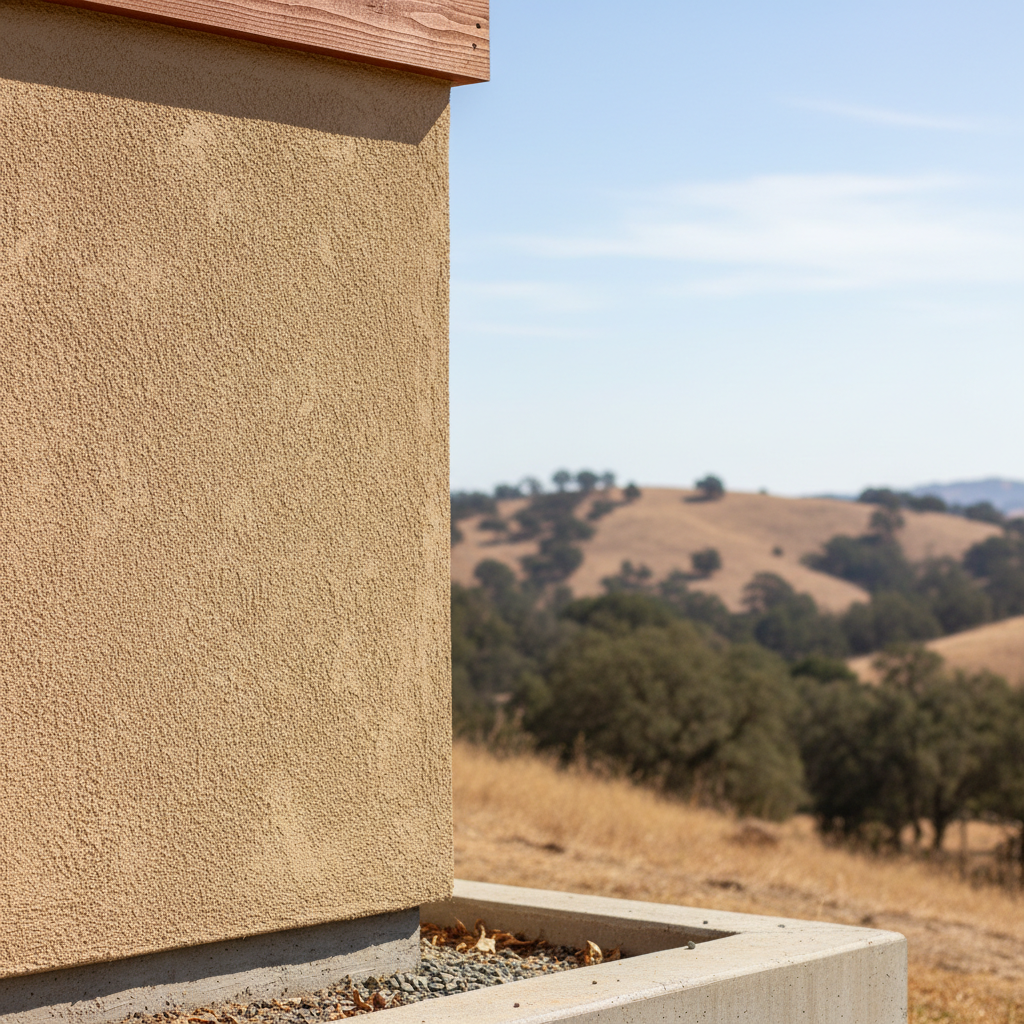
Alright, let's talk stucco. If you're a homeowner here in Stockton, chances are you've got it on your house, and you know it's a tough finish that looks good. But "tough" doesn't mean "bulletproof," right? Just like anything else, your stucco needs a little TLC to stay in top shape. And when it comes to inspections, you don't always have to shell out big bucks right away. There's plenty you can handle yourself.
Before You Inspect: Grab Your Stuff & Get Ready
Before you even step outside, let's get a few things straight. A good stucco inspection isn't just a quick peek. It's a thorough look, and it's something you really should do at least once a year. Think of it like changing your car's oil – regular checks stop bigger problems from popping up. For homes with stucco over 15 years old, or if we've had some crazy weather (which happens!), you might want to check even more often.
Here's what I'd grab:
- A notepad and pen (or your phone) for notes and photos.
- A small hammer or a plastic mallet.
- Binoculars (for those high spots you just can't reach).
- A ladder, if you're comfortable and it's safe to use.
- Good lighting, especially if you're checking shaded areas or doing it later in the day.
Your goal here isn't to figure out every little thing, but to spot potential issues early. Catching things early can save you a ton of money down the road, believe me.
During Your DIY Stucco Inspection: What to Look For
Now, head outside and walk around your house. Take your time. Seriously, don't rush this part.
Visual Cues: Your Eyes Are Your First Tool
Start with a good visual sweep of every wall. Look for anything that seems off. Here's a checklist of common culprits:
- Cracks: Hairline cracks? Pretty normal. Stucco is rigid, and houses settle, materials expand and contract with our Stockton heat and cool Delta breezes. But if you see cracks wider than an eighth of an inch, or a whole network of spiderweb cracks, that's a red flag. Pay extra attention to cracks around windows, doors, and corners – diagonal cracks there can point to foundation issues.
- Stains and Discoloration: Dark streaks, water stains, or a white powdery residue (that's called efflorescence) usually mean water is getting in. Check below window sills, at the base of walls, and around anything that pokes through the stucco, like light fixtures or hose bibs. These stains often mean water is getting behind the stucco, where it can cause damage you can't see.
- Bulging or Warping: If any part of your stucco looks like it's puffing out or separating from the wall, that's a serious sign of trouble. It almost always means moisture is trapped behind it, damaging the sheathing or framing.
- Missing or Damaged Stucco: Obvious, right? But sometimes people ignore small chips or missing pieces. Don't. These open up direct pathways for water.
- Gaps and Poor Flashing: Look at where your stucco meets other materials – rooflines, chimneys, decks, windows, and doors. Are there any gaps? Is the caulk cracked or missing? Flashing is super important for directing water away, and if it's not doing its job, water gets in.
- Clearance from Grade: Your stucco shouldn't be touching the ground or paved surfaces. There needs to be a gap, usually a few inches, to prevent moisture from wicking up into the wall. I've seen plenty of homes in areas like the Miracle Mile where the stucco goes right down to the soil, and that's just asking for trouble. It's a common issue that can lead to big problems.
The Tap Test: Listen to Your Walls
Grab that small hammer or mallet and gently tap on the stucco in various spots. Healthy stucco should sound solid, like tapping on concrete. If you hear a hollow sound, or if an area feels soft or spongy when you press on it, that's a strong indicator of moisture damage underneath. These soft spots are urgent repair items because the underlying wall structure might be compromised.
When to Call in a Pro (That's Us, Stockton Stucco Solutions, or Another Qualified Expert)
While a DIY inspection is great for catching early signs, there are definitely times you need to bring in the big guns. Don't try to be a hero when:
- You find serious issues: Large structural cracks (wider than 1/8 inch), significant bulging, widespread water staining, or soft/hollow areas. These require professional assessment to find the root cause and fix it right.
- You suspect hidden moisture: Water damage behind stucco can take years to show obvious signs. If you've got interior signs like peeling paint, warped baseboards, or a musty smell on exterior walls, the damage is likely advanced. Pros use tools like moisture meters and thermal imaging to detect hidden water.
- You're buying or selling a home: A professional stucco inspection is a smart move to avoid inheriting expensive problems or to ensure a smooth sale.
- It's been 3-5 years since the last pro inspection: Even if things look good, a routine professional inspection every few years is recommended to catch subtle issues you might miss.
- After a major storm: Heavy rains or other severe weather can expose vulnerabilities. A check-up after these events is a good idea.
A professional stucco inspection goes beyond what you can see. They look at flashing, drainage planes, weep screeds, and control joints to make sure everything's installed correctly and doing its job.
After the Inspection: What's Next?
So, you've done your walk-around. What now?
- Minor issues: For small hairline cracks or tiny chips, you might be able to handle a simple patch or caulk job yourself. Just make sure you're using the right materials and following instructions carefully. But remember, even small cracks can let moisture in, so don't ignore them.
- Document everything: Take photos and detailed notes of anything you find, big or small. This helps track changes over time and gives a pro a head start if you need to call one.
- Call a pro: If you found any of those red flags I mentioned, don't delay. Get a qualified stucco contractor or inspector out there. They can give you an honest assessment and recommend the right fix, whether it's a targeted repair or something more extensive.
Keeping an eye on your stucco is just part of being a homeowner. A little proactive checking can save you from a whole lot of headache and expense down the line. It's your home, protect it.